📝 Introduction
Infrastructure development plays a vital role in shaping regional growth and improving the quality of life for communities. Projects such as roads, railways, bridges, and water supply systems create the foundation for economic activity, connectivity, and social progress.
Well-planned infrastructure investments not only enhance mobility but also attract industries, generate employment, and support long-term regional development.
🌍 What is Regional Development?
Regional development refers to the economic, social, and infrastructural progress of a specific geographic area, improving living standards and economic opportunities.
Infrastructure is the backbone that enables this transformation.
🚧 Key Ways Infrastructure Drives Regional Growth
1️⃣ Improved Connectivity & Transportation
Efficient transportation networks connect towns, cities, and markets.
✔ Faster movement of goods and people
✔ Reduced travel time and costs
✔ Improved access to education and healthcare
✔ Better rural-urban connectivity
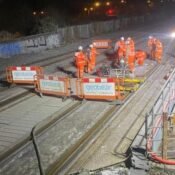
Roads, railways, and bridges play a critical role in regional mobility.
2️⃣ Boost to Local Economy & Trade
Infrastructure supports business growth and trade activities.
✔ Easier transport of raw materials and goods
✔ Expansion of local markets
✔ Growth of small and medium enterprises
✔ Attraction of new businesses and investments
3️⃣ Employment Generation
Infrastructure projects create direct and indirect job opportunities.
✔ Construction and technical jobs
✔ Skilled and unskilled labor employment
✔ Growth in support industries and services
✔ Long-term economic opportunities
4️⃣ Urban & Rural Development
Infrastructure reduces the development gap between rural and urban regions.
✔ Development of rural road networks
✔ Access to essential services
✔ Improved housing and public infrastructure
✔ Better living standards
5️⃣ Improved Public Safety & Accessibility
Infrastructure enhances safety and accessibility for communities.
✔ ROBs and FOBs reduce accidents
✔ Street lighting improves road safety
✔ Safe water supply systems protect public health
✔ Proper drainage reduces flood risks
6️⃣ Support for Industrial & Agricultural Growth
Strong infrastructure supports productivity and industrial expansion.
✔ Efficient transport for agricultural produce
✔ Industrial corridor development
✔ Reliable water supply for farming and industries
✔ Access to markets and supply chains
7️⃣ Enhancement of Social Infrastructure
Infrastructure supports essential public services.
✔ Schools and healthcare access
✔ Public transportation systems
✔ Water and sanitation systems
✔ Community facilities and connectivity
🌱 Long-Term Benefits of Infrastructure Development
✔ Sustainable economic growth
✔ Increased property values
✔ Improved quality of life
✔ Balanced regional development
✔ Stronger disaster resilience
🏗 Role of Professional Infrastructure Contractors
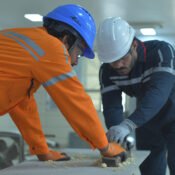
Experienced contractors ensure projects are executed efficiently, safely, and according to quality standards, maximizing long-term benefits for communities and regional development.
🏗 Conclusion
Infrastructure projects are the foundation of regional development, enabling economic growth, connectivity, public safety, and improved living standards. Investing in quality infrastructure creates long-term benefits that support communities, industries, and future generations.